6 Details That Separate Real Fight Programs From Tourist Traps
Thailand has hundreds of Muay Thai gyms, but not all are built for serious training. Some cater to curious tourists with one hour of light pad work and a photo. Others operate like professional fight camps where fighters live, eat, and train on site. Spotting the difference takes about ten minutes if you know what to look for. Here are six details that reveal whether a camp is genuinely combat focused.
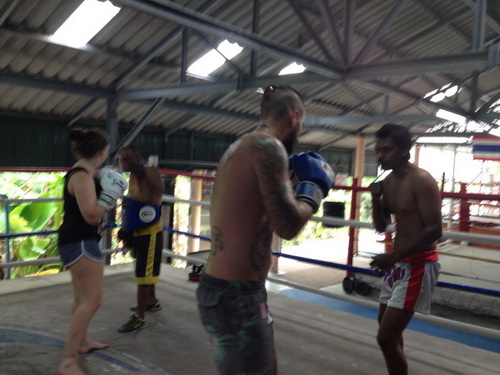
- The Ring Gets Used Before Breakfast
A serious gym has fighters in the ring by 6 a.m. You will hear the slap of shin pads and the shuffle of feet before the sun clears the palm trees. If the ring is empty at dawn and only fills after 10 a.m., you are probably looking at a recreational facility. Most competitive camps in Thailand run two sessions daily, one early and one in the late afternoon. - Trainers Have Fight Records You Can Trace
Real trainers in a combat-focused Muay Thai gym usually have professional records. Ask politely. Many fought at Rajadamnern or Lumpinee Stadium, the two most storied venues in the sport. Some camps display framed fight photos near the entrance. That wall is a good sign. It means the people teaching you have stood where you want to stand. - Pad Work Lasts Longer Than Twenty Minutes
Tourist sessions often end pad work after three rounds. Serious gyms run five rounds minimum, and often eight. Trainers mix combinations, corrections, and conditioning within each round. If you finish a session without your trainer adjusting your hips at least twice, you were not in a fighting gym. - Sparring Is Controlled and Rotated
Good camps spar with intention, not ego. Beginners are paired with experienced students who slow the pace and teach rather than punish. Coaches watch every round and stop it the moment it drifts. A Muay Thai gym in Thailand that lets brand new visitors hard spar on day one is a red flag, not a badge of honor. - The Clinch Room Is Not an Afterthought
In competitive camps, the clinch area is as large as the ring. Fighters spend hours there. If the clinch space is cramped or used only for stretching, the camp likely prioritizes strikes for show. Clinch work is where Thai fighters build their edge, and the layout of the gym tells you what the coaches value. - Fighters Live On Site
Many authentic Muay Thai gyms in Thailand house fighters in simple rooms above or behind the training area. You will see them eating together, wrapping hands together, and resting together. That daily rhythm is the backbone of Thai fighting culture. If the camp has no residents, it may still be good for fitness, but it is not a combat camp.
What to Do With This List
Use these six checks before you pay for a week or a month. Spend a morning watching a session before you commit. Ask to meet a trainer. Watch the ring at 6 a.m. Suwit gym will not hide anything. The wrong one will show you exactly what it is before you hand over your money.